“However, although we can judge that an act is in itself a grave offense, we must entrust judgment of persons to the justice and mercy of God.”
Catechism of the Catholic Church, paragraph 1861
Catechism of the Catholic Church, paragraph 1861
One of the responsibilities of my diaconal ministry is to preside over funeral services for families who choose to gather at a funeral home or graveside rather than celebrate a funeral Mass in church. Often, these services are for individuals who were baptized Catholic but, for one reason or another, gradually drifted away from the practice of their faith. Perhaps they had not attended Mass in decades, participated in the sacramental life of the Church, or even considered themselves particularly religious. Yet, despite this separation from the Church, their families still feel a profound need to commend their loved ones to God through prayer. They may not know precisely why, but something within them recognizes that their loved one should not leave this world without the prayers of the Church. I believe this desire reflects something deeply rooted in our Catholic faith: an instinctive recognition that praying for the dead is one of the most meaningful expressions of fraternal love.
I have often reflected on these occasions because they raise an important theological question: What becomes of those who die without having lived a particularly holy life and can we still have reasonable hope for their salvation? The answer, according to the teaching of the Catholic Church, is yes and the reason is found not in our ability to judge the lives of others, but is rooted in the infinite mercy of God.
The Church teaches that salvation comes only through Jesus Christ and that we are called to respond to His grace through a life of faith, repentance, and holiness. This is because our relationship with God matters, and the choices we make throughout our lives do indeed have eternal consequences. For this reason, we cannot assume that everyone automatically enters heaven upon death, but neither can we presume to know the eternal destiny of another human being.
The Catechism reminds us that for a sin to be mortal, it must involve grave matter, full knowledge, and deliberate consent. While we can recognize that certain actions are objectively sinful, we cannot see into another person's conscience and, furthermore, we do not know the struggles they endured, the doubts they encountered, or the circumstances that may have influenced their relationship with God. Most importantly, we do not know what may have transpired between that person and God in the final moments before their death.
In order to understand this last point, consider the story of the good thief crucified alongside Jesus. We know very little about this man’s life, except that he was a criminal condemned to death and yet, in his final moments, he turned toward Christ and pleaded, "Jesus, remember me when you come into your kingdom." And Jesus replied, "Amen, I say to you, today you will be with me in Paradise" (Luke 23:42–43).
This is probably one of the most concrete examples of divine mercy in the entire Bible! A lifetime of sin did not prevent this man from turning toward Christ in his final hour and his story reminds us that God's grace can reach the human heart even when all earthly opportunities seem exhausted.
Now I am not suggesting that repentance is unnecessary or that we should postpone our conversion until the end of life. Rather, it reminds us that God's mercy is not limited by our understanding of another person's spiritual journey.
When I preside over a funeral service, I am not there to pronounce judgment on the deceased nor am I there to declare that the person is certainly in heaven. Of course, that judgment belongs to God alone. My responsibility, and indeed the responsibility of the entire Christian community, is to pray for the deceased person and commend that soul to the mercy of our heavenly Father.
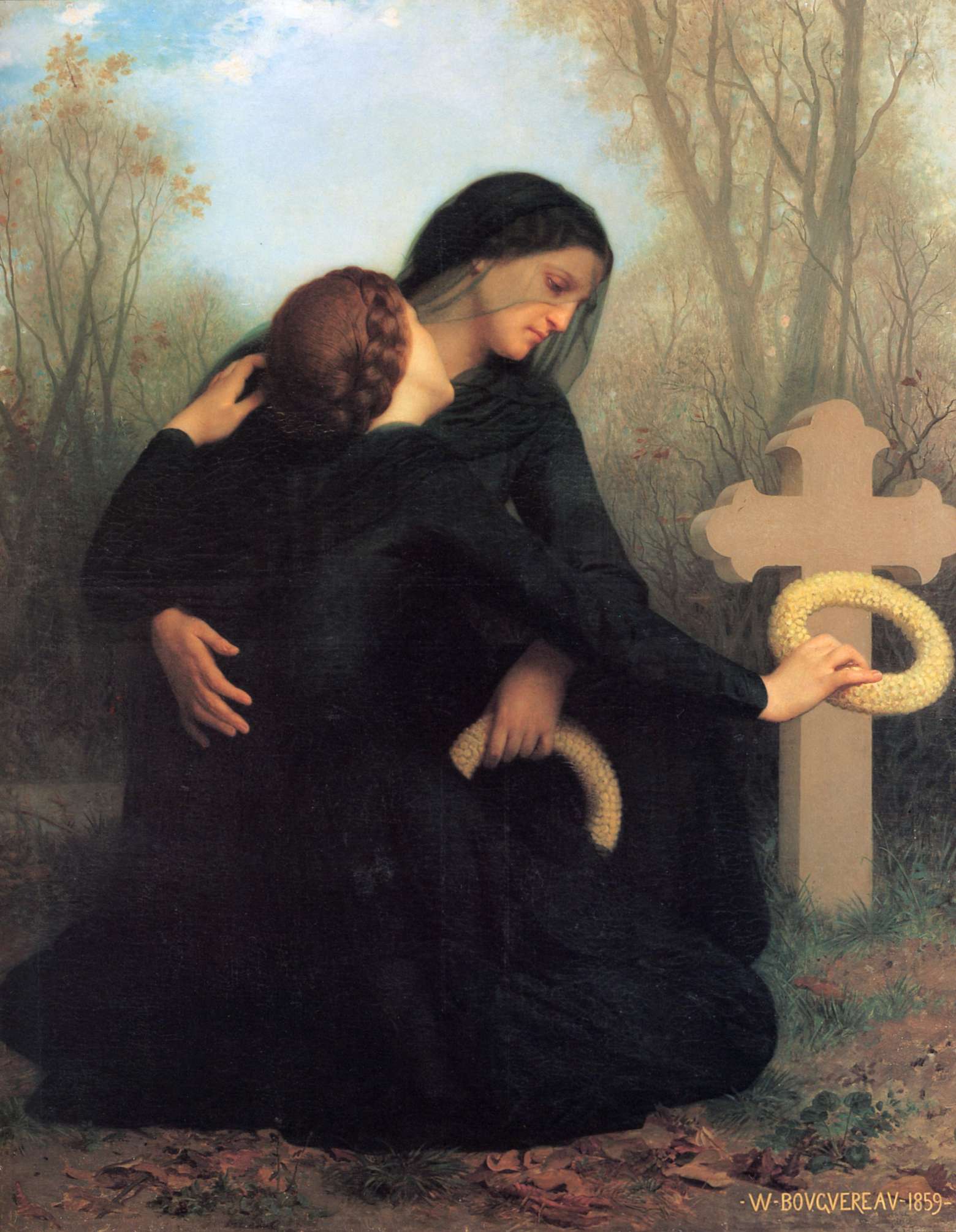
During November, when the Church remembers the faithful departed in a special way, we should never underestimate the importance of these prayers. We pray not because we know the eternal condition of those who have died, but precisely because we do not. We simply entrust them to God's perfect justice and infinite mercy. For in the end, our hope rests not in what we know about the deceased, but in what we know about God: He is just, He is merciful, and His love is greater than we can ever imagine.
Through the intercession of the Blessed Virgin Mary, Mother of Mercy, may we never cease praying for those who have gone before us, especially those who may have wandered far from the practice of their faith.